
Cessna 172 Skyhawk POH PDF: A Comprehensive Guide
Accessing the Cessna 172 Skyhawk’s Pilot Operating Handbook (POH) PDF is crucial for safe flight; it details procedures, performance, and limitations for pilots worldwide․
The Cessna 172 Skyhawk stands as an enduring icon in aviation, celebrated for its reliability, forgiving flight characteristics, and widespread accessibility․ Introduced in 1956, it has become the premier choice for flight training and personal transportation, boasting the title of the most successful aircraft ever produced․ Its enduring popularity stems from a simple yet effective design, making it an ideal platform for pilots of all experience levels․
Today, many Skyhawks, including the 1975 Cessna 172M model with a Penn Yan SuperHawk conversion, continue to fly, offering a blend of classic charm and modern performance․ The availability of the Pilot Operating Handbook (POH) in PDF format is vital for owners and operators, providing essential information for safe and efficient operation․ Understanding this aircraft’s capabilities, as outlined in the POH, is paramount for every pilot․
Understanding the Pilot Operating Handbook (POH)
The Pilot Operating Handbook (POH) is the definitive source of information for the Cessna 172 Skyhawk, meticulously detailing everything a pilot needs to know to operate the aircraft safely and effectively․ This crucial document, often accessed as a PDF, contains vital data including aircraft specifications, weight and balance calculations, performance charts, and detailed operational procedures․
A thorough understanding of the POH is not merely recommended, but required for all Cessna 172 pilots․ It outlines normal, abnormal, and emergency procedures, ensuring pilots are prepared for a wide range of scenarios․ The POH also specifies limitations – never exceed speeds, maximum weights, and operational boundaries – critical for preventing accidents․ Accessing the POH in digital PDF format allows for convenient study and quick reference both on the ground and during flight preparation․
Importance of the POH for Cessna 172 Pilots
For Cessna 172 Skyhawk pilots, the Pilot Operating Handbook (POH) isn’t just a document – it’s a lifeline․ Its PDF version provides immediate access to critical information impacting flight safety and performance․ Mastery of the POH ensures pilots operate within the aircraft’s defined limits, preventing potentially hazardous situations․
The POH details procedures for every phase of flight, from preflight inspection to emergency landings․ Ignoring its guidance can lead to improper technique, exceeding weight limits, or incorrect performance calculations․ The readily available PDF format allows pilots to quickly reference procedures during pre-flight planning and in-flight decision-making․ Ultimately, a deep understanding of the Cessna 172’s POH is paramount for responsible and safe piloting, minimizing risks and maximizing operational efficiency․
Aircraft Specifications & Performance
Detailed within the Cessna 172 Skyhawk POH PDF are precise specifications, including engine details, weight, dimensions, and crucial performance charts for pilots;
Cessna 172M Skyhawk Details (1975 Model)
The 1975 Cessna 172M Skyhawk, as documented in its POH PDF, represents a significant iteration of this iconic aircraft․ This model typically features a useful load of around 1,000 pounds and a standard fuel capacity of 50 gallons․ Crucially, many 172M models have been upgraded with the Penn Yan SuperHawk conversion, boasting a more powerful 180 hp Lycoming O-360 engine, enhancing performance considerably․
The POH PDF details the specific characteristics of the 172M, including its stall speeds, climb rates, and cruise speeds, which vary based on configuration and weight․ Airframe hours are a key consideration, with examples currently available featuring around 3,909 hours․ Understanding these details, readily available in the POH, is paramount for safe and efficient operation․ Pilots should consult the PDF for precise limitations and operating procedures specific to this vintage of Skyhawk․
Engine Specifications: Lycoming O-360 (Penn Yan SuperHawk Conversion)
The Penn Yan SuperHawk conversion for the Cessna 172M replaces the original engine with a Lycoming O-360, typically rated at 180 horsepower․ The POH PDF for converted models will reflect these altered performance characteristics․ This upgrade significantly boosts takeoff power and climb rate compared to the standard 150 hp engine․
Detailed within the POH PDF are specific engine limitations, including maximum continuous power settings, oil operating temperatures, and acceptable oil consumption rates․ Pilots must adhere to these parameters to ensure engine longevity and reliability․ The conversion also impacts fuel consumption figures, which are clearly outlined in the POH․ Understanding the nuances of the O-360, as documented in the POH PDF, is vital for pilots operating a SuperHawk-converted Cessna 172M, ensuring safe and efficient flight operations․
Key Performance Figures: Takeoff, Climb, Cruise
The Cessna 172 Skyhawk POH PDF meticulously details critical performance figures․ Takeoff distance, varying with weight and conditions, is clearly charted, enabling pilots to calculate required runway length․ Climb performance, including rate of climb at various altitudes and weights, is essential for obstacle clearance and efficient ascent planning․
Cruise performance data, including true airspeed, fuel consumption, and range at different power settings and altitudes, allows for accurate flight planning․ The POH PDF also provides charts for density altitude correction, crucial for performance adjustments in varying temperatures and elevations․ Pilots must consult these figures before each flight, adapting plans based on actual conditions․ Understanding these performance parameters, as outlined in the POH PDF, is paramount for safe and efficient operation of the Cessna 172․

Systems Overview
The Cessna 172 Skyhawk POH PDF comprehensively covers avionics, fuel, and electrical systems, providing detailed diagrams and operational instructions for pilot understanding․
Avionics and Instrumentation
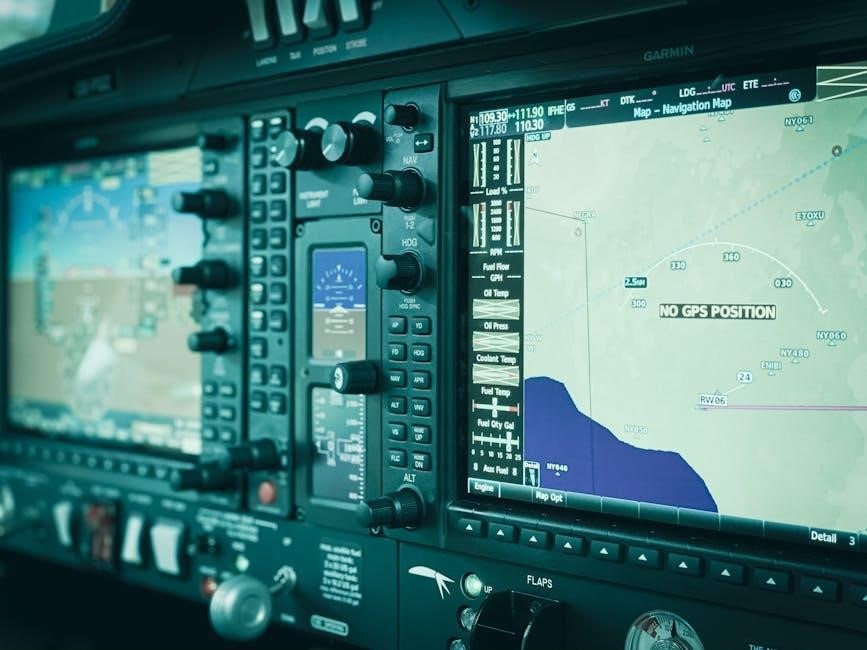
The Cessna 172 Skyhawk POH PDF dedicates significant detail to the aircraft’s avionics and instrumentation․ Pilots will find thorough explanations of the attitude indicator, airspeed indicator, altimeter, and vertical speed indicator – crucial for maintaining situational awareness․ The handbook outlines proper interpretation of each instrument and potential failure indications․
Furthermore, the POH details the operation of communication and navigation equipment, if installed, such as VHF radios and GPS systems․ It covers frequency selection, squawk code assignment, and navigation techniques․ Diagrams illustrate the layout of the instrument panel, clearly labeling each component․ Understanding these systems, as outlined in the POH, is paramount for safe and efficient flight operations․ The PDF ensures pilots have readily available access to this vital information, enhancing their proficiency and minimizing risks․
Fuel System Details
The Cessna 172 Skyhawk POH PDF provides a comprehensive overview of the aircraft’s fuel system․ It meticulously details the tank capacities, fuel grades approved for use, and the location of fuel tanks – typically located in the wings․ Pilots will find diagrams illustrating the fuel lines, valves, and fuel quantity indicators, aiding in understanding the system’s layout․
Crucially, the POH outlines procedures for fuel selection, crossfeed operation, and fuel venting․ It emphasizes the importance of proper fuel management to prevent fuel starvation or vapor lock․ Emergency procedures related to fuel system malfunctions, such as a fuel pump failure, are clearly described․ The PDF stresses pre-flight checks to verify fuel quantity and quality․ Mastering these details, as presented in the POH, is essential for safe and reliable operation of the Cessna 172․
Electrical System Overview
The Cessna 172 Skyhawk POH PDF dedicates a section to a detailed explanation of the aircraft’s electrical system․ It outlines the primary power source – typically a 12-volt direct current (DC) system powered by an alternator driven by the engine․ The POH illustrates the electrical system’s components, including the battery, alternator, circuit breakers, and master switch․
Pilots can find schematics detailing the wiring distribution and the function of various electrical loads, such as navigation lights, landing lights, and avionics․ The document emphasizes the importance of understanding the circuit breaker panel and proper procedures for resetting tripped breakers․ Emergency procedures, like dealing with a complete electrical failure, are clearly outlined․ The POH stresses pre-flight checks to ensure the electrical system is functioning correctly, contributing to safe flight operations․

Operational Procedures
The Cessna 172 Skyhawk POH PDF provides step-by-step guidance for normal and emergency operations, covering preflight, engine start, flight, and shutdown procedures․
Normal Procedures: Preflight Inspection
The Cessna 172 Skyhawk POH PDF meticulously outlines a comprehensive preflight inspection process, vital for ensuring airworthiness before each flight․ This detailed checklist, found within the handbook, systematically guides pilots through examining the aircraft’s exterior and interior components․
Exterior checks encompass control surfaces – ailerons, elevator, and rudder – verifying their freedom of movement and security․ Fuel quantity and quality are assessed, alongside oil levels․ Tire condition, brake functionality, and propeller integrity are also scrutinized․ The POH emphasizes inspecting the airframe for any damage, dents, or corrosion․
Interior inspection focuses on flight controls, instruments, and avionics, confirming proper operation․ The POH details checking the functionality of radios, transponder, and navigation equipment․ Ensuring the security of all hatches, doors, and seats is paramount․ A thorough review of the POH’s preflight checklist is essential for a safe and successful flight, minimizing potential risks․
Normal Procedures: Engine Start & Shutdown
The Cessna 172 Skyhawk POH PDF provides precise, step-by-step instructions for both engine starting and shutdown procedures, crucial for safe and efficient operation․ The starting sequence, detailed within the handbook, emphasizes adherence to specific checklist items to prevent potential issues․
Engine start typically involves verifying fuel selector position, mixture control setting, and propeller area clearance․ The POH outlines the correct use of the primer and magneto switches, alongside monitoring oil pressure after startup․ Proper engine warm-up procedures are also specified․
Shutdown procedures, equally important, detail leaning the mixture, reducing throttle, and securing the fuel shutoff valve․ The POH stresses the importance of completing the after-start checklist and securing all electrical systems․ Following these procedures, as outlined in the POH, ensures engine longevity and safe ground operations, minimizing risks and maximizing aircraft reliability․
Takeoff and Landing Procedures
The Cessna 172 Skyhawk POH PDF meticulously details takeoff and landing procedures, vital for pilot proficiency and safety․ It outlines pre-takeoff checks, including verifying flight controls, trim settings, and engine instruments, ensuring a smooth and controlled departure․
Takeoff procedures specify recommended speeds (Vr, Vy), flap settings based on weight and runway conditions, and proper rudder control for maintaining directional stability․ The POH also addresses procedures for rejected takeoffs, emphasizing immediate action and safe deceleration․
Landing procedures cover approach speeds, flap deployment schedules, and techniques for maintaining proper glidepath․ The POH details crosswind landing techniques and emphasizes a smooth, controlled touchdown․ Post-landing procedures, including braking and taxiing, are also clearly outlined, ensuring a safe and efficient return to the ground, all readily available within the comprehensive POH PDF․
Emergency Procedures
The Cessna 172 Skyhawk POH PDF provides critical guidance for handling emergencies like engine failure, stall recovery, and forced landings, prioritizing pilot safety․
Emergency Procedures: Engine Failure
The Cessna 172 Skyhawk POH PDF dedicates significant detail to engine failure procedures, a critical emergency for any pilot․ Immediate actions involve maintaining best glide speed (typically around 70-80 knots, consult the specific POH) and attempting to restore engine power through checklist items․
These include checking fuel selector valve position, mixture control, ignition switch, and carburetor heat․ If the engine fails to restart, the POH outlines procedures for selecting a suitable landing site, securing the aircraft for a forced landing, and transmitting a Mayday call․
Pilots are instructed to prioritize airspeed control and accurately assess wind direction for the best possible outcome․ The POH emphasizes practicing simulated engine failures during flight training to build proficiency and confidence in responding effectively to this potentially life-threatening situation․ Thorough understanding of the POH’s engine failure procedures is paramount for safe operation․
Emergency Procedures: Stall Recovery
The Cessna 172 Skyhawk POH PDF provides detailed stall recovery procedures, emphasizing prompt and precise control inputs․ A stall occurs when the angle of attack exceeds the critical angle, resulting in a loss of lift․ The POH instructs pilots to immediately reduce the angle of attack by pushing the control yoke forward․
Simultaneously, increase power to maximum and level the wings using coordinated rudder and aileron control․ Once the stall is broken and airflow is restored, gently return to level flight․ The POH stresses the importance of recognizing stall warning signs – typically a buffeting of the controls and an audible stall horn – and initiating recovery before the aircraft enters a fully developed stall․
Regular practice of stall recovery maneuvers, as outlined in the POH, is crucial for developing muscle memory and ensuring a swift, effective response in a real-world stall situation․
Emergency Procedures: Forced Landing
The Cessna 172 Skyhawk POH PDF dedicates significant detail to forced landing procedures, a critical skill for pilots facing engine failure or other emergencies․ The POH emphasizes selecting a suitable landing site – ideally a field with minimal obstacles and aligned with the wind․
Pilots are instructed to maintain best glide speed, as specified in the POH, to maximize distance․ A thorough checklist is provided, covering actions like transmitting a Mayday call, securing loose items, and configuring the aircraft for landing (flaps, fuel selector)․
The POH details pre-landing checks, including assessing wind direction and preparing for a potential impact․ It stresses the importance of bracing for impact and executing a controlled descent, aiming for the lowest possible touchdown speed․ Practicing simulated forced landings, guided by the POH, builds proficiency and confidence․
Weight and Balance
The Cessna 172 Skyhawk POH PDF provides detailed charts and calculations for determining weight and balance, vital for safe flight operations and performance․
Calculating Weight and Balance
The Cessna 172 Skyhawk POH PDF meticulously outlines the procedures for calculating weight and balance․ Pilots must accurately determine the aircraft’s center of gravity (CG) before each flight, utilizing the provided worksheets․ This involves listing all items onboard – pilot, passengers, fuel, and baggage – and their respective weights․
Each item’s weight is then multiplied by its moment arm (distance from the datum line), and these products are summed to find the total moment․ Dividing the total moment by the total weight yields the CG location․ The POH specifies acceptable CG limits; exceeding these limits can severely impact flight characteristics, potentially leading to instability or control difficulties․
Pilots should carefully consult the POH’s weight and balance section, understanding the impact of different loading configurations on performance and safety․ Accurate calculations are paramount for maintaining a safe and controlled flight․
Load Limits and CG Range

The Cessna 172 Skyhawk POH PDF clearly defines the aircraft’s maximum allowable weight and the acceptable center of gravity (CG) range․ Exceeding the maximum gross weight can compromise structural integrity and negatively affect performance․ The POH specifies both the maximum takeoff weight and the maximum landing weight, which may differ․
The CG range is equally critical; it’s expressed in inches from the datum line․ Operating outside this range can lead to control difficulties, stall characteristics, and potentially hazardous flight conditions․ The POH provides detailed charts and graphs illustrating how different loading scenarios affect the CG position․
Pilots must meticulously adhere to these limits, ensuring that all weight and balance calculations fall within the prescribed parameters․ Understanding these limitations, as detailed in the POH, is fundamental to safe Cessna 172 operation․
Impact of Weight and Balance on Flight Performance
The Cessna 172 Skyhawk POH PDF emphasizes how weight and balance significantly influence flight characteristics․ A heavier aircraft requires a longer takeoff roll and reduced climb rate․ Conversely, a light aircraft may exhibit increased sensitivity to control inputs and a faster climb․
An improperly loaded aircraft, with a CG outside the specified range, can drastically alter stability and control․ A forward CG typically results in a nose-heavy condition, requiring more elevator force and potentially leading to higher stall speeds․ A rearward CG can cause instability and make the aircraft more difficult to control, especially during turbulence․
The POH provides performance charts adjusted for various weight and CG configurations, enabling pilots to accurately predict aircraft behavior and plan flights accordingly․ Maintaining proper weight and balance is paramount for safe and efficient flight․