
GE Profile Washer Manual PDF: A Comprehensive Guide
Accessing detailed guides for GE Profile washers is now easier with readily available PDF manuals. These resources cover models like WPDH8900J2WW and offer comprehensive support.
GE Profile washers represent a commitment to innovative laundry solutions, blending advanced technology with user-friendly design. These machines, including popular models like the WPDH8900J2 series, are engineered for exceptional cleaning performance and durability. Understanding your washer’s features and capabilities is crucial for maximizing its lifespan and achieving optimal results.
The availability of a comprehensive GE Profile washer manual PDF is paramount for owners seeking detailed guidance on operation, maintenance, and troubleshooting. These manuals provide essential information, ensuring users can confidently navigate the washer’s functions and address any potential issues that may arise. Accessing these resources empowers owners to maintain their appliance effectively.
Where to Find the Official GE Profile Washer Manual PDF
Locating the official GE Profile washer manual PDF is straightforward. The primary source is the GE Appliances website, offering a dedicated support section where users can search by model number – such as WPDH8900J2WW – to download the correct document. Alternatively, third-party resources like ManualMachine.com and StudyLib.es archive manuals, though verifying authenticity is recommended.
GE’s official website guarantees the most up-to-date and accurate information. These PDFs often include detailed diagrams, troubleshooting guides, and warranty information. Be cautious when using external sites, ensuring the file is legitimate and free from malware before downloading. Direct access from GE ensures a secure and reliable resource.
Understanding Your Washer Model Number
Your GE Profile washer’s model number – for example, WPDH8900J2WW, WPDH8900J2MG, or WCVH6600HWW – is crucial for accessing the correct manual PDF. This unique identifier specifies the exact features and specifications of your machine. Locate the model number on the appliance itself, typically found on a sticker inside the door or on the back panel.
When searching for the manual, inputting the complete model number ensures you download the appropriate guide. Incorrect manuals may contain inaccurate information regarding cycles, settings, or troubleshooting steps. Utilizing the correct model number streamlines the process and guarantees compatibility with your specific GE Profile washer.
Safety Precautions and Warnings
Before operating your GE Profile washer, carefully review the safety precautions detailed in the manual PDF. These guidelines are essential for preventing injury and ensuring safe operation. Always disconnect the power supply before performing any maintenance or repairs. Never attempt to repair the washer yourself if you are not qualified.
Keep children and pets away from the washer during operation. Do not overload the machine, as this can cause damage or malfunction. Avoid using flammable liquids or solvents in the washer. Refer to the manual for specific warnings regarding water temperature and detergent usage to prevent hazards.
Washer Control Panel Overview
The GE Profile washer control panel, detailed in the manual PDF, features a user-friendly interface. It typically includes a cycle selection dial, option buttons, and a digital display. Understanding each component is crucial for optimal performance. The cycle dial allows you to choose pre-programmed wash cycles for various fabric types and soil levels.
Option buttons modify cycle settings, such as temperature, spin speed, and soil level. The digital display provides information about the selected cycle, remaining time, and any error codes. Consult the manual for a complete explanation of each control and its function.
Understanding the Cycle Selection Dial
The cycle selection dial on your GE Profile washer, as illustrated in the manual PDF, is the primary method for choosing a wash cycle. Each position on the dial corresponds to a specific cycle designed for different fabrics and soil levels. Common cycles include Normal/Regular, Delicates/Hand Wash, Heavy Duty, and Quick Wash;
Rotating the dial to the desired cycle initiates the corresponding wash program. The manual provides detailed descriptions of each cycle, including recommended load types and water temperatures. Proper cycle selection ensures effective cleaning while protecting your garments. Refer to the manual for specific guidance on choosing the best cycle for your laundry needs.
Decoding the Option Buttons
Alongside the cycle selection dial, GE Profile washers feature option buttons that customize your wash. The manual PDF details each button’s function, allowing for tailored cleaning. Options commonly include temperature settings (Hot, Warm, Cold), spin speed (High, Medium, Low, No Spin), and soil level adjustments.
Additional options may include extra rinse cycles, delay start, and sanitize features. Understanding these buttons, as explained in the manual, optimizes wash performance. Pressing the appropriate buttons modifies the selected cycle to meet specific laundry requirements. Consult the manual for detailed explanations and recommended combinations for optimal results.
Loading and Unloading the Washer
The GE Profile washer manual PDF emphasizes proper loading techniques for optimal cleaning and to prevent damage. It advises distributing clothes evenly inside the drum, avoiding overloading, which can hinder performance. Smaller items should be placed inside a mesh laundry bag to prevent them from getting lodged in the washer.
When unloading, always check for any remaining items and remove them promptly. The manual also cautions against forcing the door open if it’s locked, advising to wait for the cycle to fully complete. Following these guidelines, detailed in the PDF, ensures efficient operation and prolongs the washer’s lifespan.
Detergent and Additive Usage

The GE Profile washer manual PDF provides detailed instructions on detergent usage, crucial for effective cleaning. It recommends using High Efficiency (HE) detergents specifically designed for front-load washers to prevent excessive suds. The manual outlines proper dispenser loading procedures, differentiating between liquid, powder, and pod detergents.

Furthermore, it details the appropriate amounts based on load size and soil level. Additives like fabric softener and bleach should be added to their designated compartments, avoiding direct contact with clothes. Incorrect usage can lead to residue buildup or damage to fabrics, so consulting the PDF is essential.
Recommended Detergent Types
The GE Profile washer manual PDF strongly advises using only High Efficiency (HE) detergents. These are formulated to produce fewer suds, preventing issues with the washer’s internal components and ensuring optimal cleaning performance. Traditional detergents create too many suds, potentially leading to residue and reduced rinsing effectiveness.
Liquid, powder, and pacs (pods) are all acceptable HE detergent forms, but the manual emphasizes following dosage instructions carefully. Using too much detergent, even HE, can leave residue on clothes and inside the machine. The PDF also notes compatibility with certain detergent brands and may offer specific recommendations.
Proper Dispenser Loading
The GE Profile washer manual PDF details specific loading procedures for the detergent dispenser. For liquid detergents, fill to the indicated maximum line, avoiding overfilling to prevent premature release. Powdered detergents should be added loosely, not compacted, to ensure proper dissolving. If using detergent pods, place them directly into the wash drum, not the dispenser, as per the manual’s instructions.
Fabric softener and bleach compartments are clearly marked; always dilute liquid fabric softener with water before adding. The manual cautions against mixing bleach and other cleaning agents. Regularly cleaning the dispenser drawer, as outlined in the PDF, prevents buildup and ensures accurate dispensing.

Common Washer Cycles Explained

The GE Profile washer manual PDF thoroughly explains each wash cycle. The “Normal/Regular” cycle is ideal for everyday cotton and linen loads. “Delicates/Hand Wash” provides gentle cleaning for fragile items like lingerie and silk. For heavily soiled items, the “Heavy Duty” cycle offers a more vigorous wash. A “Quick Wash” cycle is available for lightly soiled loads needing a fast refresh.
The manual details water temperature and spin speed settings for each cycle. Additional cycles, like “Bulky Items” or “Sanitize,” may be present depending on the model. Understanding these cycles optimizes cleaning performance and fabric care.
Normal/Regular Cycle
The GE Profile washer’s Normal/Regular cycle, as detailed in the manual PDF, is designed for everyday laundry. It effectively cleans cotton, linen, and moderately soiled fabrics. This cycle typically uses a combination of hot, warm, and cold water options, adjustable via the control panel. Spin speeds are generally medium to high, ensuring efficient water extraction.
The manual recommends using a standard amount of detergent for optimal results. Load size should adhere to the washer’s capacity to maintain cleaning performance. For best results, separate heavily soiled items and wash them on a more intensive cycle.
Delicates/Hand Wash Cycle
The GE Profile washer’s Delicates/Hand Wash cycle, as outlined in the official PDF manual, provides gentle care for fragile items; It is ideal for lingerie, silk, lace, and hand-washable fabrics. This cycle utilizes cold water and a slow, tumbling wash action to minimize fabric stress. Spin speeds are significantly reduced, preventing stretching or damage.
The manual strongly advises using a delicate-fabric detergent. Consider placing delicate items inside a mesh laundry bag for added protection. Avoid overloading the washer, as this can compromise the gentle cleaning process. Proper care extends the life of your delicate garments.
Heavy Duty Cycle
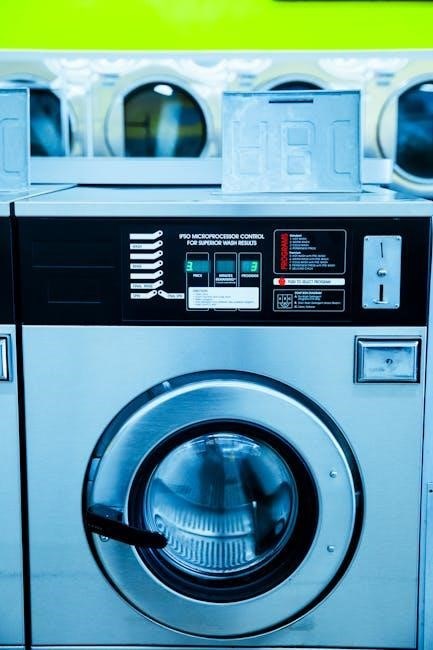
The GE Profile washer’s Heavy Duty cycle, detailed in the PDF manual, is designed for robust cleaning of heavily soiled items. This includes work clothes, towels, and durable fabrics like denim and canvas. It employs a longer wash time, higher water temperatures, and vigorous agitation to effectively remove stubborn stains and dirt.
The manual recommends using a heavy-duty detergent for optimal results. For exceptionally dirty loads, a pre-soak may be beneficial. Avoid using this cycle for delicate fabrics, as the aggressive action could cause damage. Always check garment care labels before selecting this powerful cleaning option.

Quick Wash Cycle
The GE Profile washer’s Quick Wash cycle, as outlined in the PDF manual, provides a convenient solution for lightly soiled or refreshed items. This cycle significantly reduces wash time, typically completing a load in around 30 minutes. It utilizes cooler water temperatures and gentler agitation to minimize energy consumption and fabric wear.
Ideal for small loads or items needing a quick refresh, the manual suggests using a liquid detergent for best results. Avoid overloading the washer, as this can compromise cleaning performance. While effective for lightly soiled clothes, it may not fully remove stubborn stains. It’s a perfect option for busy schedules!
Troubleshooting Common Issues
The GE Profile washer manual PDF provides valuable troubleshooting guidance for common problems. If your washer won’t start, check the power cord and circuit breaker, as detailed in the manual. For drainage issues, inspect the drain hose for kinks or clogs – the PDF offers diagrams. Loud noises often indicate unbalanced loads or foreign objects; the manual advises redistributing clothes or checking the drum.
Error codes are explained within the PDF, offering specific solutions. Remember to consult the manual before attempting repairs, and always disconnect power before inspection. These steps can often resolve issues without professional assistance, saving time and money.
Washer Won’t Start
If your GE Profile washer fails to start, the manual PDF suggests several checks. First, verify the power cord is securely plugged into a functioning outlet. Next, inspect your home’s circuit breaker or fuse box to ensure the circuit hasn’t tripped or blown. The manual details how to reset these. Also, confirm the washer door is completely latched; a safety interlock prevents operation if unclosed.
Furthermore, the PDF guides you through checking for error codes displayed on the control panel, which can pinpoint the issue. If problems persist, consult the manual’s troubleshooting section for more advanced diagnostics.
Washer Not Draining
When your GE Profile washer doesn’t drain, the manual PDF advises checking the drain hose for kinks or obstructions. Ensure it isn’t bent or pinched, restricting water flow. Next, locate and inspect the drain pump filter – the manual provides detailed instructions on its access and cleaning. Debris like lint, coins, or small items often accumulate here, causing blockages.

The PDF also suggests verifying the drain pump itself isn’t faulty. If the issue continues, consult the error code section, as specific codes indicate drain pump problems. Always disconnect power before any internal inspection.
Washer Making Loud Noises
The GE Profile washer manual PDF highlights several causes for unusual noises. First, ensure the washer is level; an uneven machine can vibrate excessively during operation. Check for obstructions inside the drum, like forgotten items or loose objects. The manual details how to safely inspect the drum and remove any foreign materials.
If the noise persists, the PDF suggests examining the suspension rods and shock absorbers. Worn components can cause banging or thumping sounds. Consult the parts diagram within the manual to identify these parts and assess their condition. Always disconnect power before inspection.
Cleaning and Maintenance
The GE Profile washer manual PDF emphasizes regular cleaning for optimal performance. It recommends cleaning the washer drum monthly using a washer cleaner or hot water with vinegar to prevent mildew and odors. The detergent dispenser also requires periodic cleaning; the manual provides step-by-step instructions for removing and rinsing it thoroughly.
Additionally, the PDF advises inspecting the water inlet hoses for cracks or leaks. Regularly wiping down the exterior of the washer with a damp cloth helps maintain its appearance. Following these maintenance tips, detailed in the manual, extends the lifespan of your GE Profile washer.
Cleaning the Washer Drum
The GE Profile washer manual PDF details drum cleaning procedures to eliminate residue and odors. It suggests running a cleaning cycle monthly, utilizing a commercially available washer cleaner, or alternatively, a hot water wash with two cups of white vinegar. Ensure the drum is empty during this process.
For persistent buildup, the manual recommends repeating the cleaning cycle. After the cycle completes, leave the washer door ajar to allow for complete ventilation and prevent mildew growth. Regular drum cleaning, as outlined in the PDF, maintains hygiene and extends the washer’s operational life.
Cleaning the Detergent Dispenser
The GE Profile washer manual PDF emphasizes regular cleaning of the detergent dispenser to prevent clogs and ensure optimal performance. It recommends removing the dispenser drawer and rinsing it thoroughly with warm water. Stubborn residue can be loosened with a soft brush or cloth.
The manual advises against using abrasive cleaners, as they may damage the dispenser. Inspect the dispenser housing within the washer for any buildup and clean accordingly. Reinstall the drawer securely after drying. Consistent cleaning, as detailed in the PDF, guarantees proper detergent distribution and prevents potential issues.
Error Codes and Their Meanings
The GE Profile washer manual PDF provides a crucial section dedicated to error codes, assisting users in diagnosing issues. Codes like “F01” might indicate a water inlet valve problem, while “F02” could signal an issue with the drain pump. The manual details each code’s specific meaning and suggests potential solutions.
Users are advised to consult the PDF before contacting customer support, as many errors can be resolved independently. Understanding these codes, as outlined in the manual, empowers owners to troubleshoot effectively. Referencing the error code list ensures accurate diagnosis and efficient repair, minimizing downtime and potential service costs.
Replacing the Water Inlet Hoses
The GE Profile washer manual PDF provides step-by-step instructions for safely replacing the water inlet hoses. It emphasizes turning off the water supply before disconnecting the old hoses to prevent flooding. The guide details how to detach the hoses from both the washer and the water supply valves.
When installing new hoses, the manual stresses the importance of hand-tightening, followed by a quarter-turn with pliers to ensure a secure connection. It also recommends checking for leaks after restoring water flow. Following these instructions, found within the PDF, guarantees a proper and safe hose replacement.
Leveling the Washer
The GE Profile washer manual PDF highlights the importance of a level machine for optimal performance and reduced noise. It details how to use a leveling tool to check the washer’s stability on the floor. Adjustments are made using the adjustable feet located at the bottom corners of the appliance.
The manual provides clear diagrams illustrating how to rotate the feet to raise or lower each corner until the washer is perfectly level. Proper leveling prevents excessive vibration during operation, extending the washer’s lifespan and ensuring efficient cleaning; Refer to the PDF for specific instructions tailored to your model.
GE Profile Washer Warranty Information
The GE Profile washer manual PDF contains crucial details regarding your appliance’s warranty coverage. Typically, GE offers a one-year limited warranty covering parts and labor for any manufacturing defects. Extended warranty options may also be available for purchase, providing additional protection beyond the initial period.
The manual outlines the specific terms and conditions of the warranty, including what is covered and what is not. It also provides instructions on how to file a warranty claim if you experience any issues with your washer. Keep your proof of purchase and refer to the PDF for complete warranty information.
Contacting GE Customer Support
Should you require assistance beyond the GE Profile washer manual PDF, GE Appliances offers multiple avenues for customer support. You can reach them via phone, with contact numbers readily available on the GE Appliances website and within the manual itself. Alternatively, online support is accessible through their website, featuring FAQs, troubleshooting guides, and live chat options.
For specific model inquiries, referencing your washer’s model number (like WPDH8900J2WW) when contacting support is crucial. GE also provides social media channels for customer service inquiries. Their dedicated team is equipped to address concerns and provide solutions for your GE Profile washer.

Downloading Manuals from GE Appliances Website

The official GE Appliances website is the primary source for downloading GE Profile washer manual PDFs. Navigate to their support section and utilize the model search function, entering your specific model number – such as WPDH8900J2WW – to locate the correct manual. Downloading is typically straightforward, often requiring no registration.
GE provides manuals in PDF format for easy viewing and printing. Ensure your device has a compatible PDF reader installed. The website also offers a library of manuals for older models, providing a valuable resource for long-term appliance support. Direct access ensures you have the most up-to-date information.
Third-Party Manual Resources
While the GE Appliances website is preferred, several third-party resources offer GE Profile washer manual PDFs. Websites like ManualMachine.com and ManualsLib host user-uploaded manuals, including those for models like WPDH8900J2MG. However, verify the manual’s accuracy and relevance to your specific model number.
Studylib.es and Manualzz.com also provide access to various appliance manuals. Be cautious when downloading from these sites, ensuring the file is safe and free from malware. These resources can be helpful if the official GE website is unavailable, but always prioritize the official source for reliability.
PDF Reader Compatibility and Tips
To view and utilize your GE Profile washer manual PDF effectively, ensure you have a compatible PDF reader installed. Adobe Acrobat Reader is a widely recommended, free option. Most modern web browsers also have built-in PDF viewing capabilities.
If the PDF appears distorted, update your PDF reader to the latest version. For large files, allow sufficient time for downloading and rendering. Consider downloading the manual to your device for offline access. Utilize the search function within the PDF reader to quickly locate specific information or troubleshooting steps related to your washer model.
This guide provides essential information for GE Profile washer owners seeking their appliance’s manual in PDF format. Locating the official documentation is crucial for understanding features, troubleshooting issues, and ensuring optimal performance. Models like the WPDH8900J2WW are covered in these manuals, offering detailed instructions. Accessing these PDFs allows for convenient offline viewing and printing.
Resources such as ManualMachine and StudyLib host these documents, alongside GE Appliances’ official website. Understanding your washer’s model number is key to finding the correct manual. Proper utilization of the manual ensures safe operation and extends the lifespan of your GE Profile washer.