Purpose of a Table Runner Size Guide
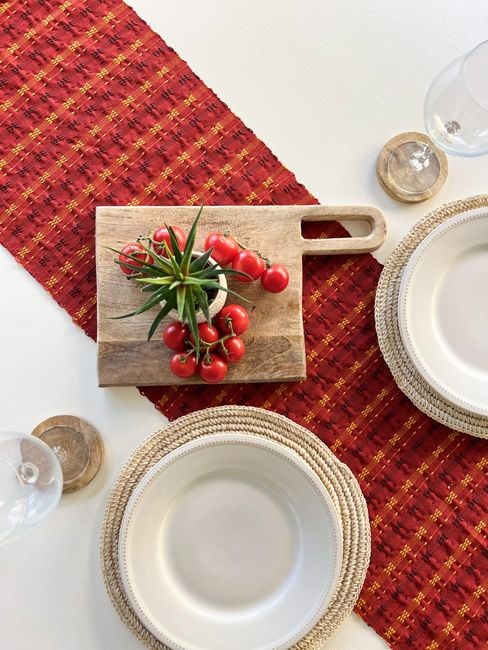
Understanding runner dimensions ensures a balanced look‚ prevents awkward gaps‚ and aligns with table shape․ A size guide helps match length to table length‚ width to width‚ and fabric weight to visual weight‚ creating a cohesive‚ polished tablescape․ It also guides fabric choice for seasonal flair
Standard Table Runner Size Chart
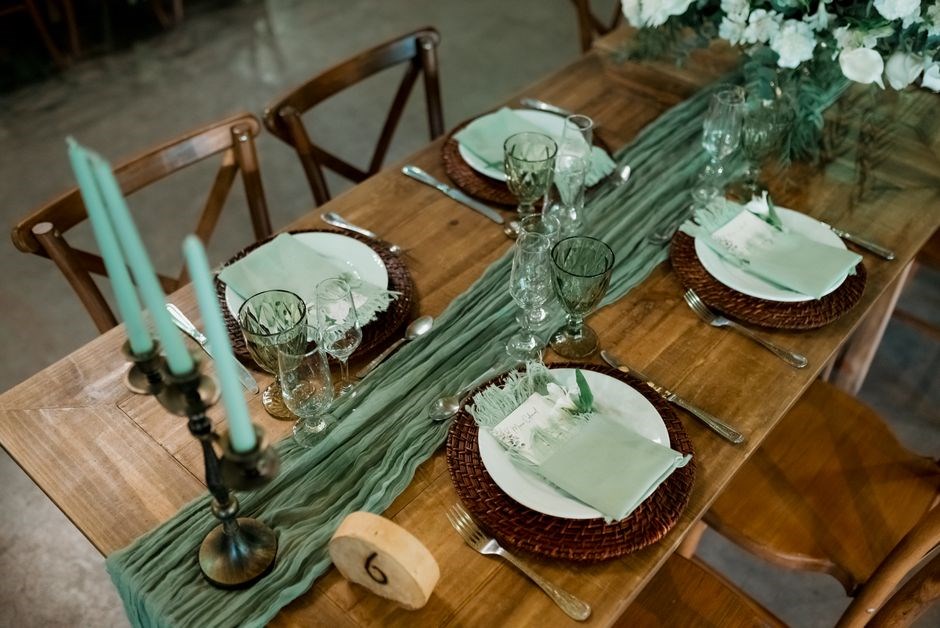
The chart below lists the most common runner dimensions used in contemporary décor․ Each row pairs a length with a width that maintains visual harmony on tables ranging from small to large․ These figures are derived from industry standards and popular retailer catalogs‚ offering a quick reference for both DIY enthusiasts and professional designers․
- 24 in․ × 48 in․ – Ideal for 4‑person tables or as a decorative accent on larger surfaces․
- 30 in․ × 60 in․ – Works well on 6‑person tables‚ providing a modest overhang without overwhelming the setting․
- 36 in․ × 72 in․ – Common for 8‑person rectangular tables‚ balancing length and width for a refined look․
- 42 in․ × 84 in․ – Suitable for 10‑person tables‚ ensuring ample coverage while keeping proportions pleasing․
- 48 in․ × 96 in․ – Best for 12‑person tables or banquet‑style settings where a generous runner is desired․
When selecting a runner from the chart‚ consider the table’s overall scale and the desired visual weight․ A runner that is too narrow can appear flimsy‚ whereas an overly wide runner may dominate the table’s surface․ The listed dimensions provide a balanced starting point that can be adjusted slightly for custom projects․
The chart also includes guidance on overhang length‚ typically 12 to 18 inches per side‚ ensuring the runner drapes without touching the table legs․ For fabric weight or pattern repeat can shift the seen size‚ so test swatches before final purchase․!
Measuring Table Length for Runner Fit
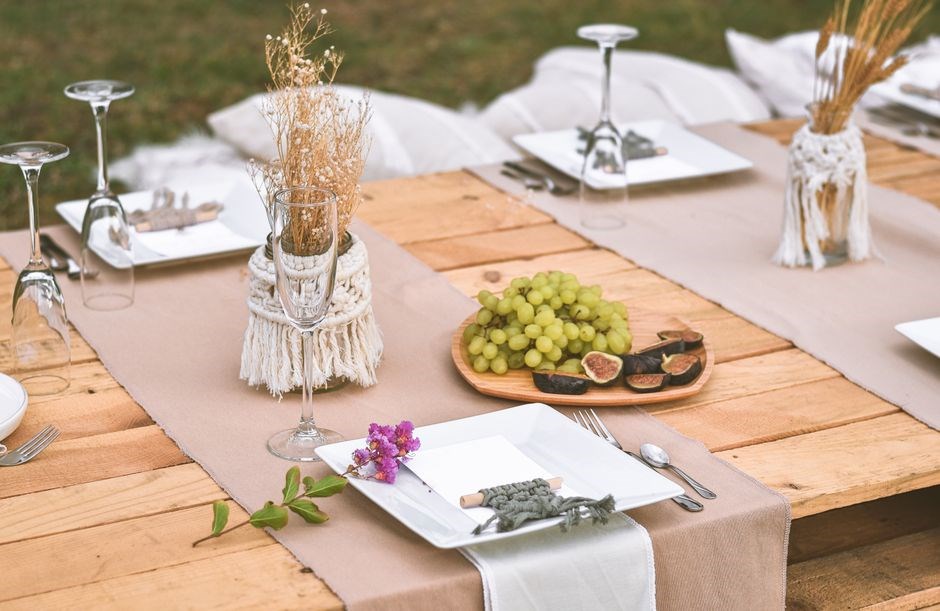
Measure the table’s length from edge to edge‚ subtract 12–18 inches per side for desired overhang․ Use a flexible tape measure‚ record the total‚ and choose a runner 12–18 inches longer than the table to ensure balanced drape․ Measure at the table’s widest point and double‑check for accuracy․!!
Measuring Table Width andRunner Width
To achieve a harmonious runner‚ start by measuring the table’s width at its widest point․ Use a tape measure and record the exact number of inches․ Next‚ decide on the desired runner width: a common rule is 1/3 to 1/2 of the table width for formal settings‚ and up to 2/3 for casual spreads․ For a 48‑inch table‚ a 16‑inch runner offers a balanced look‚ while a 32‑inch runner may feel too wide․ Adjust the width based on the runner’s fabric weight; heavier fabrics can be slightly narrower to avoid visual bulk․ Always allow a small margin for seam allowance‚ typically 1–2 inches on each side․ This ensures the runner sits flush without cutting off the fabric’s edge․ When selecting a pre‑cut runner‚ compare its width to your measured table width; if the runner is narrower‚ you can add a decorative trim or a matching runner to fill the gap․ Conversely‚ if the runner is wider‚ consider trimming or using a runner with a built‑in hem to maintain proportion․ Accurate width measurement guarantees that the runner complements the table’s shape and the overall décor‚ preventing awkward overlaps or excessive empty space․ Adding a subtle fringe trim‚ a contrasting edge stitch‚ or a discreet monogram to the runner’s fabric can elevate its visual harmony‚ ensuring the runner fits proportionally while becoming a focal point that ties together the table’s color palette‚ texture‚ and overall ambiance‚ enhancing the dining experience․ It works for every season and style
Ideal Runner Length for Different Table Styles
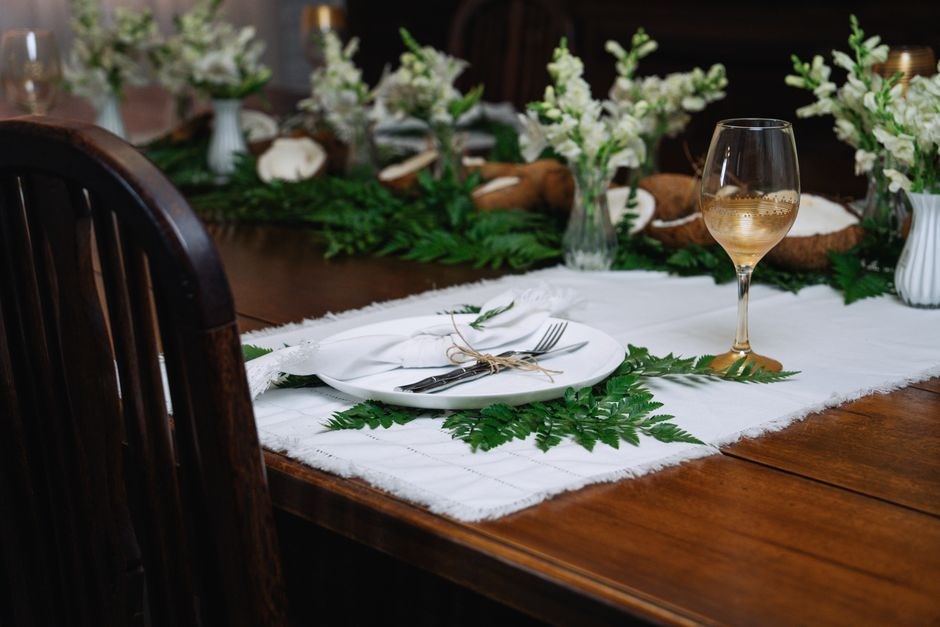
Rectangular tables need a runner that hangs 12–18 inches beyond each end for balance․ Oval tables work best with 10–15 inch overhang‚ while round tables require 8–12 inches to avoid crowding․ Width should match table proportions elegantly․!
Length Recommendations for Rectangular‚ Oval‚ and Round Tables
Selecting the proper runner length for each table shape is essential for achieving harmony and functional elegance․ For rectangular tables‚ the industry standard recommends a runner that extends 12 to 18 inches beyond each end‚ ensuring a balanced overhang that frames the seating area without overwhelming the space․ This range accommodates most dining room dimensions and allows for easy placement of centerpieces or seasonal décor․ Oval tables‚ which naturally taper toward the ends‚ benefit from a slightly shorter overhang of 10 to 15 inches․ This proportion preserves the table’s graceful curve while still providing a subtle border that delineates the table’s edges․ Round tables‚ with their symmetrical shape‚ require the most delicate balance; a 8 to 12 inch overhang is ideal‚ preventing the runner from crowding the seating area while maintaining a cohesive look․ In all cases‚ the runner’s width should be proportional to the table’s width‚ typically 1/4 to 1/3 of the table’s width‚ to avoid a cramped appearance․ Additionally‚ the fabric weight and texture influence perceived length—lighter linens may appear longer‚ whereas heavier fabrics can feel shorter․ Therefore‚ when choosing a runner‚ consider both the measured dimensions and the tactile qualities of the material to achieve the desired aesthetic effect․
Remember to trim the runner to a clean edge‚ leave a 2‑inch margin at the table’s edge for a polished finish!!!?!
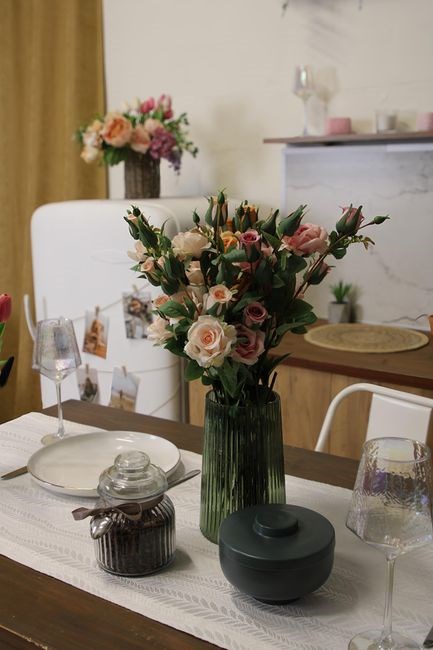
Runner Width Guidelines for Proportional Balance
Width should be 1/4 to 1/3 of table width․ For a 48‑inch table‚ use 12‑to‑16‑inch runner․ Adjust for fabric weight; heavier fabrics need slightly narrower widths to avoid visual bulk․ Keep edges clean‚ trim 2‑inch margin for a polished look․
Width Ratios Based on Table Size
Choosing the right runner width hinges on a simple ratio system that ties the runner’s breadth to the table’s width․ The most common practice is to set the runner width at roughly one‑quarter to one‑third of the table’s width‚ ensuring the runner neither overwhelms the tabletop nor appears too thin․ Below is a quick reference chart that translates table dimensions into recommended runner widths․
- Table 36–48 inches wide: 9–12 inches (22–30 cm)
- Table 48–60 inches wide: 12–15 inches (30–38 cm)
- Table 60–72 inches wide: 15–18 inches (38–46 cm)
- Table 72–84 inches wide: 18–21 inches (46–53 cm)
Adjustments for fabric density are essential․ Heavier‚ thicker textiles require a slightly narrower width to maintain visual balance‚ while lighter‚ sheer fabrics can extend a bit wider without feeling disproportionate․ Additionally‚ consider the table’s style: round tables benefit from a runner that is 1/4 of the diameter‚ whereas rectangular tables can accommodate a width that follows the 1/3 rule․ Always leave a 1–2 inch margin on each side of the runner to allow for easy placement of placemats or centerpieces․
When adjusting runner width‚ consider how color and pattern affect visual balance․ A wide runner on a narrow table can dominate‚ while a narrow runner on a wide table may feel lost․ Test a small sample on the table before finalizing to ensure the runner complements the proportions and décor․It saves time․!OK
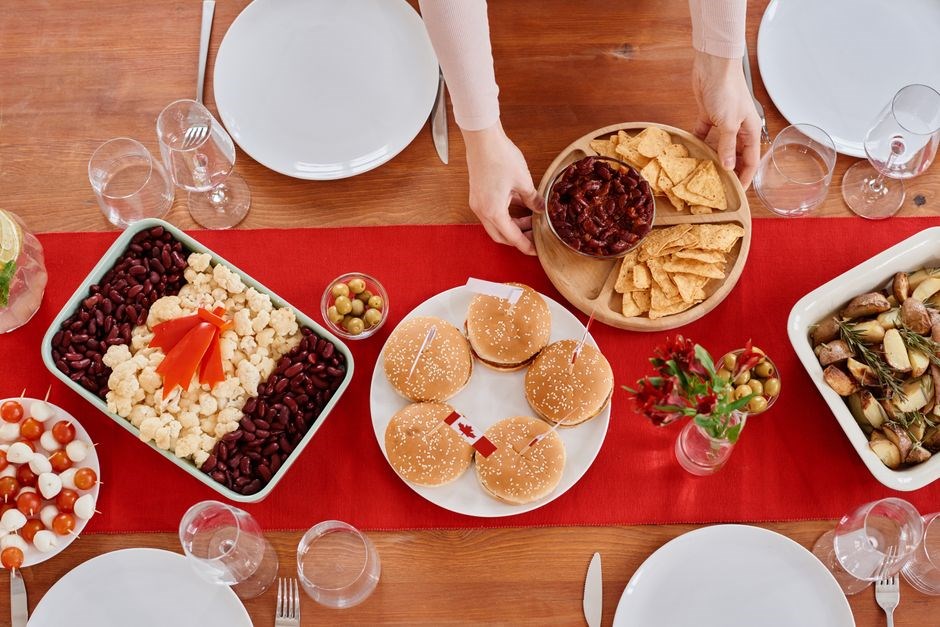
Material and Fabric Impact on Size Perception
Fabric weight and weave alter how a runner looks․ Heavy linen or velvet drapes‚ making a narrow runner feel fuller‚ while light chiffon appears airy‚ stretching perception․ A thick wool runner on a small table feels balanced‚ whereas a sheer silk on a large table can look too thin․ Ideal fit․ now
How Fabric Weight Affects Runner Length and Width
Fabric weight dramatically influences perceived runner dimensions․ A dense wool or heavy linen runner will naturally drape and appear longer‚ so a 60‑inch piece may look like 70 inches on a table‚ giving a fuller‚ more substantial presence․ Conversely‚ lightweight silks or chiffons spread out‚ creating a sense of elongation; a 60‑inch runner may seem shorter‚ as the fabric floats and offers less visual weight․ When choosing length‚ account for this effect: add an extra 2–4 inches to a heavy fabric to match the visual length of a lighter material․ Width is similarly affected․ Thick‚ weighted fabrics fill the space between the table edge and the runner’s edge‚ making a narrow runner feel wider․ Light fabrics‚ lacking bulk‚ can appear narrower‚ so a runner that is 12 inches wide in heavy linen may look like only 9 inches in chiffon․ Adjust width by 1–2 inches for lighter fabrics to preserve proportional balance․ Always measure the table‚ then select a runner that‚ after accounting for fabric weight‚ will visually align with the table’s dimensions․ This approach ensures a harmonious look‚ preventing a runner from too short or too wide relative to the table․
For example‚ a 60‑inch runner in heavy wool may require a 2‑inch overhang to match a 60‑inch runner in silk‚ because the wool’s bulk adds visual length․ Similarly‚ a 12‑inch wide linen runner may need a 1‑inch increase to feel equivalent to a 12‑inch wide chiffon runner․ Test by placing a strip of each fabric on the table before cutting to confirm visual balance․ ․․․
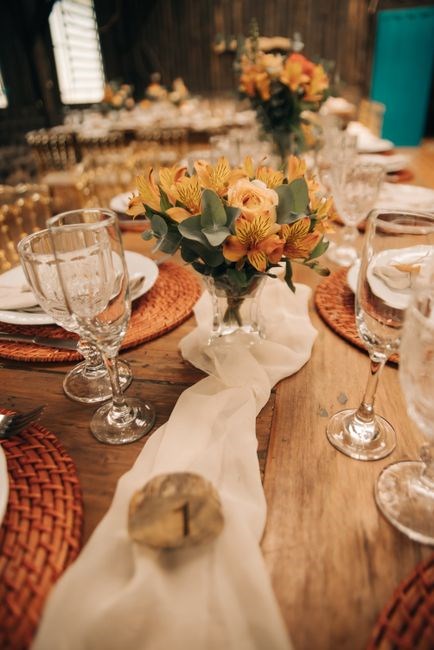
Seasonal and Event-Specific Size Adjustments
Adjust runner length for seasonal themes: longer for holiday tables‚ shorter for casual gatherings․ Add 2–4 inches for winter velvet‚ reduce 2 inches for summer linen․ Match width to décor‚ ensuring balanced proportions and event style․ Match colors to season for a cohesive‚ elegant look․ now․!!
Customizing Runner Size for Holiday Themes

When tailoring a table runner for a holiday setting‚ begin by selecting a fabric that reflects the season’s palette—deep reds‚ forest greens‚ or snowy whites for winter‚ or vibrant oranges and golds for autumn․ The length should be adjusted to create a dramatic visual cue: add 4 to 6 inches to the standard overhang for formal holiday banquets‚ ensuring the runner drapes gracefully over each end․ For more intimate gatherings‚ a 2‑inch reduction can keep the look refined․ Width is equally important; a runner that is 25% of the table’s width maintains proportion‚ but for a festive feel‚ a slightly wider runner—up to 30%—can emphasize the table’s presence․ Consider fabric weight: heavier linens or velvet give a luxurious‚ cozy feel‚ while lighter cotton or silk offer a breezy‚ airy vibe․ Incorporate holiday motifs—such as subtle embroidered pinecones or metallic thread—within the runner’s design to tie the décor together․ Finally‚ test the runner on the table before finalizing; adjust the overhang and width as needed to ensure the runner sits flat‚ without bunching‚ and complements the overall tablescape․
For holiday tables featuring a centerpiece‚ a runner that extends 3 to 5 inches beyond the tabletop edges frames the decor without obscuring the centerpiece․ Pair the runner with complementary holiday linens—such as a subtle pattern or metallic thread—to enhance the aesthetic․ Test the runner in the actual setting to ensure it complements the table’s proportions and holiday décor․ Runner color echoes holiday․
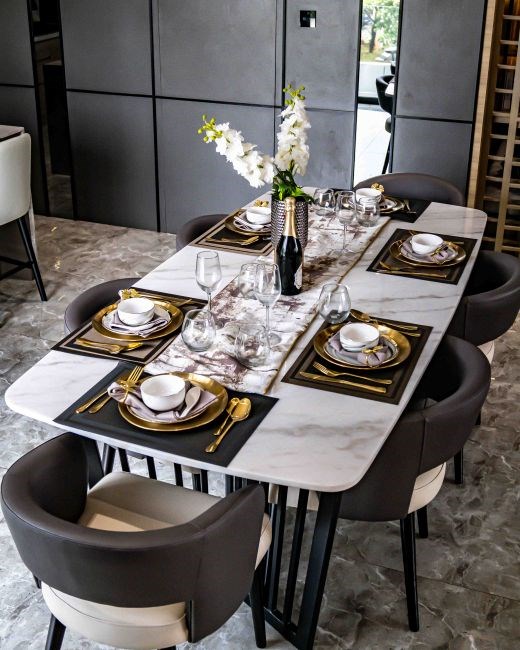
Common Mistakes in Runner Sizing and How to Avoid Them
Common mistakes: runners too short or too long‚ wrong width‚ ignoring table shape‚ or fabric weight․ Avoid them by measuring accurately‚ adding 4‑6″ overhang‚ keeping width about 25% of table width‚ testing runner before finalizing․
Tips for Correct Hanging and Overhang Measurements
Accurate hanging begins with a clean‚ level surface․ Use a laser level or a straightedge to mark the table’s centerline․ Measure from the center to each end; add 4–6 inches on both sides for a classic overhang․ For formal settings‚ 6 inches gives a regal look; for casual‚ 4 inches keeps it light․ If the table is oval or round‚ measure the longest diameter and apply the same rule‚ ensuring the runner’s length stays proportional to the table’s width․ When the runner’s width is too narrow‚ it can look like a ribbon; too wide‚ it overwhelms the setting․ Aim for a width that is roughly 25% of the table’s width‚ adjusting upward for heavier fabrics that visually expand․ Always test the runner on the table before finalizing․ Lay it flat‚ then lift it to see how it drapes; a slight sag can indicate a heavier weight than anticipated․ For delicate linens‚ a 2‑inch overhang on each side may suffice‚ while a thick wool runner may need 4 inches to maintain balance․ Use a fabric weight chart to match the runner’s density with the desired overhang: lightweight cotton or linen works best with smaller overhangs‚ whereas a heavier velvet or brocade can accommodate larger drapes without appearing too bulky․ If the table’s centerpiece sits comfortably‚ ensure the runner’s length allows the centerpiece to sit without being obscured․ Finally‚ consider the room’s lighting; brighter lights can accentuate fabric thickness‚ so adjust overhang accordingly․ By following these precise measurements and adjustments‚ you’ll achieve a runner that not only fits perfectly but also enhances the overall aesthetic of your tablescape․ Double‑check after hanging; shifts can alter balance․ Choose hues that match the table!

Cost Considerations for Standard vs․ Custom Sized Runners
Standard runners come in preset sizes‚ offering a cost‑effective solution for most tables․ Custom sizes tailor length and width precisely‚ but they carry higher price tags due to specialized cutting and labor․ Balancing budget and fit is key when choosing․ for all occasions․ and quality․ and style․??
Where to Purchase Runners with Accurate Size Options
When searching for runners that match your table’s exact dimensions‚ start with specialty fabric retailers that offer a broad catalog of pre‑cut lengths and widths․ Online platforms such as TableCoversNow․com provide a searchable size chart and allow you to filter by material‚ color‚ and finish‚ ensuring you find a runner that fits both length and width precisely․ For custom measurements‚ boutique textile shops and local upholstery studios can cut to your specifications‚ often with a premium but with the benefit of personalized design advice․ Many large stores offer a home décor where staff can measure your table and recommend a runner from their instock assortment‚ which includes standard sizes that can be trimmed for a perfect very only! fit․ If you prefer a DIY approach‚ craft stores like Michaels or Joann offer a selection of ready‑made runners in various sizes‚ and they also provide cutting tools and guides to help you adjust the length․ For high‑end or seasonal themes‚ specialty fabric houses such as New Star Fabrics showcase limited‑edition textiles that can be ordered in custom dimensions‚ often with a free measurement guide included․ Finally‚ consider online marketplaces like Etsy‚ where independent designers list runners in a range of sizes and offer custom orders; many sellers provide detailed size charts and a quick turnaround for personalized requests․ By comparing price points and material quality‚ you can choose a runner that fits your table perfectly and complements your décor style․