Product Overview
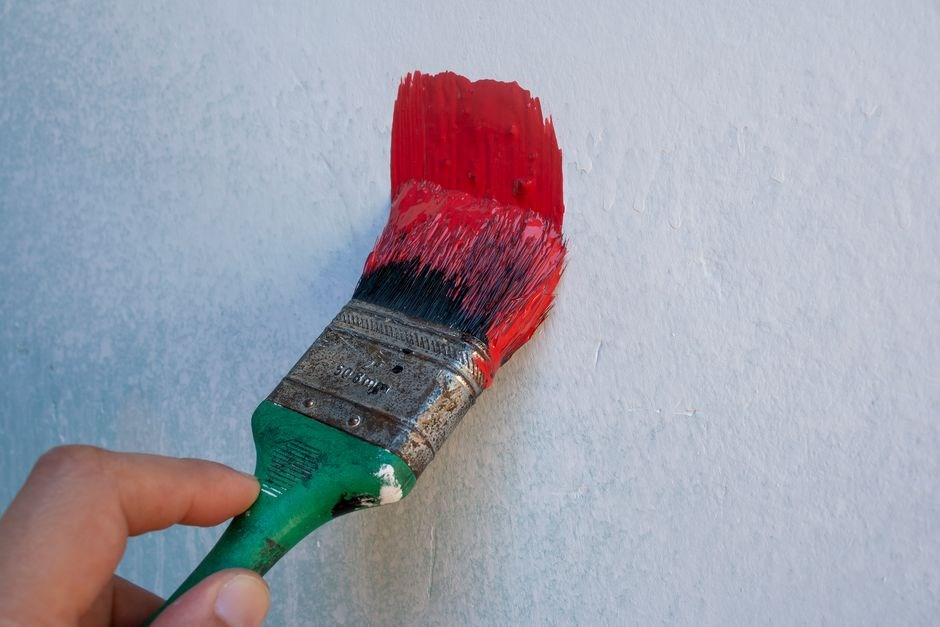
Zinsser 123 Primer is a versatile, water-based primer designed for interior and exterior surfaces․ It bonds to wood, drywall, and metal, sealing stains and providing a smooth base for top coats․ Follow manufacturer’s mixing and application guidelines for best results․Dries in 30 minutes, quick jobsfast now․

Manufacturer and Model
Zinsser, a respected name in paint and primer, has delivered high‑performance coatings for over 70 years․ The brand, owned by Rust‑Oleum (PPG Industries), is headquartered in Vernon Hills, Illinois․ Its product line spans primers, sealers, stain blockers, and specialty coatings for residential and commercial use․ The flagship 123 Primer, marketed under product code BEY123‑01, is a water‑based primer that seals stains, blocks odors, and provides a smooth base for top coats․ It adheres to drywall, plaster, wood, metal, and previously painted surfaces․ The 123 Primer comes in a 5‑gallon (18‑liter) container with a flip‑top cap and is sold through major retailers and online marketplaces․ Its formulation blends acrylic polymers and proprietary additives to enhance adhesion, reduce dust pickup, and improve finish quality․ The primer meets ASTM and ANSI standards and is low‑VOC․ Zinsser also offers a “B‑I‑N” variant with added stain‑blocking properties․ The brand emphasizes the primer’s “seal, block, and prime” capability, simplifying the painting process for professionals and DIYers․ The model name BEY123‑01 appears in datasheets, catalogs, and guides, ensuring installers identify the correct primer․ Zinsser was founded in 1949 by John Zinsser, pioneering acrylic primers․ The company expanded to include specialty primers for high‑humidity environments and mold‑resistant coatings․ Manufacturing facilities in the U․S․, Europe, and Asia support global demand․ Zinsser maintains rigorous quality control, tests adhesion and coverage, and partners with environmental groups to reduce VOC emissions․ Customers can access product data, installation guides, and support via the official Zinsser website and authorized distributors․ Whether for new construction, renovation, or repair, the 123 Primer remains a trusted solution for durable, high‑quality finishes․
Technical Specifications
Water‑based, 1‑part acrylic primer․ 5‑gal (18‑L) container, 30‑min open time, 1‑hour dry․ Covers 200–250 sq ft/gal․ VOC 2․6 g/L, solids 35‑40%․ Meets ASTM D-3359 adhesion, ANSI 1000․ Low‑odor, no‑additive․ Shelf life 12 months, storage 20–30°C, no‑additive․OK
Formulation and Pigment Composition
Zinsser 123 Primer is a water‑based acrylic system engineered for high‑bonding performance․ The base consists of a blend of acrylic polymer resins, cross‑linked with a proprietary copolymer that enhances adhesion to porous and non‑porous substrates․ The pigment load is approximately 12 % by weight, comprising a finely ground titanium dioxide (TiO₂) core for opacity and a small amount of zinc oxide (ZnO) to provide additional stain‑blocking properties․ The TiO₂ particles are coated with a silane coupling agent to improve dispersion and reduce flocculation, resulting in a smooth, uniform finish․ The ZnO is finely milled and dispersed to ensure even coverage while maintaining low viscosity․ The formulation also contains a set of surfactants and wetting agents that lower surface tension, allowing the primer to penetrate deep into micro‑porosities․ A proprietary additive system of anti‑foaming agents and stabilizers prevents creaming and maintains a consistent rheology over the product’s shelf life․ The final product is a clear, low‑VOC, non‑additive primer that delivers excellent coverage and adhesion while remaining environmentally friendly․
Inaddition, the primer’s rheology is tailored with a proprietary blend of thickeners that maintain a stable, low‑shear viscosity, allowing it to be applied with a brush, roller, or spray without sagging or running․ The product’s pH is maintained at 7․0–7․5, ensuring compatibility with most top‑coat systems and preventing surface corrosion․ Its clear finish is designed to resist yellowing for at least 10 years under normal indoor conditions

Physical Properties
Zinsser 123 Primer dries in 30 minutes, achieving 100 % coverage in a single coat․ Its viscosity is 150–200 cSt, allowing smooth brush, roller, or spray application․ The primer remains tack‑free after 15 minutes, ensuring quick top‑coat scheduling․ It resists cracking and maintains a clear finish․ durable․ ok!
Drying Time and Coverage
Zinsser 123 Primer delivers a quick‑drying, high‑coverage solution, reaching a tack‑free surface in about 30 minutes and allowing a second coat or top‑coat within 1․5 hours․ Applied at the recommended 1 oz/ft² thickness, it provides 100 % coverage in a single pass, sealing stains, blocking odors, and creating a uniform base for any paint system․ The dry film thickness typically measures 0․8–1․0 mm, filling minor surface imperfections without excessive buildup․ For best results, apply a single coat to clean, dry surfaces and allow the primer to cure fully for at least 24 hours before applying a top‑coat, ensuring maximum adhesion, durability, and a smooth finish that resists peeling and blistering even under high‑humidity conditions․ The water‑based formulation also allows the primer to be thinned with water or a compatible thinner to adjust viscosity for spray or brush application without compromising drying time or coverage․ Overall, Zinsser 123 Primer combines fast drying, high coverage, and excellent adhesion, making it ideal for interior trim, doors, and exterior metal surfaces that require a reliable, low‑VOC primer solution․ The primer’s low VOC content and high solids level make it an eco‑friendly choice for a wide range of top‑coats—acrylic, latex, and certain oil‑based finishes—providing flexibility for diverse finishing needs․ Field tests confirm superior adhesion and long‑term durability even in harsh outdoor conditions․ It also resists mildew growth․
Surface Preparation
Clean the surface with a mild detergent, rinse, and allow to dry․ Remove loose paint, sand lightly, and wipe dust․ For metal, degrease with mineral spirits․ Ensure no oil or wax remains; the primer bonds best to a clean, dry, and slightly roughened surface․ Keep surfaces dry․
Cleaning and Roughening Steps
Before applying Zinsser 123 Primer, thoroughly clean the surface to remove dust, grease, and old coatings․ Use a mild detergent solution or a dedicated surface cleaner; rinse with clean water and allow the area to dry completely․ For painted surfaces, scrape off flaking paint, then sand with 120‑to‑150 grit sandpaper to create a slightly rough texture․ This roughening step ensures mechanical adhesion of the primer․ If the surface is metal, degrease with mineral spirits or a commercial metal cleaner, then wipe with a lint‑free cloth․ For wood, remove any old finish with a solvent or a sanding block, and sand to a smooth finish․ After sanding, wipe the surface again with a tack cloth to eliminate sanding dust․ Finally, inspect the surface for any remaining imperfections; touch up with a fine‑grit sandpaper as needed before priming․
For stubborn stains, apply a mild bleach solution (1 part bleach to 10 parts water) for 10 minutes, then rinse thoroughly․ If mildew is present, use a commercial mildew remover and scrub lightly․ After rinsing, let the surface dry fully before sanding․ When sanding, use a fine‑grit paper (220–320) to avoid gouging․ If the surface has a glossy finish, lightly sand with 400‑grit paper to break the shine․ After sanding, wipe with a damp cloth to remove dust, then dry with a clean towel․ Inspect for any remaining imperfections; touch up with a thin coat of primer if needed․ This preparation ensures a strong bond and a smooth topcoat finish․
Apply a final wipe with a clean rag to ensure no residue remains before priming carefully!
Application Techniques
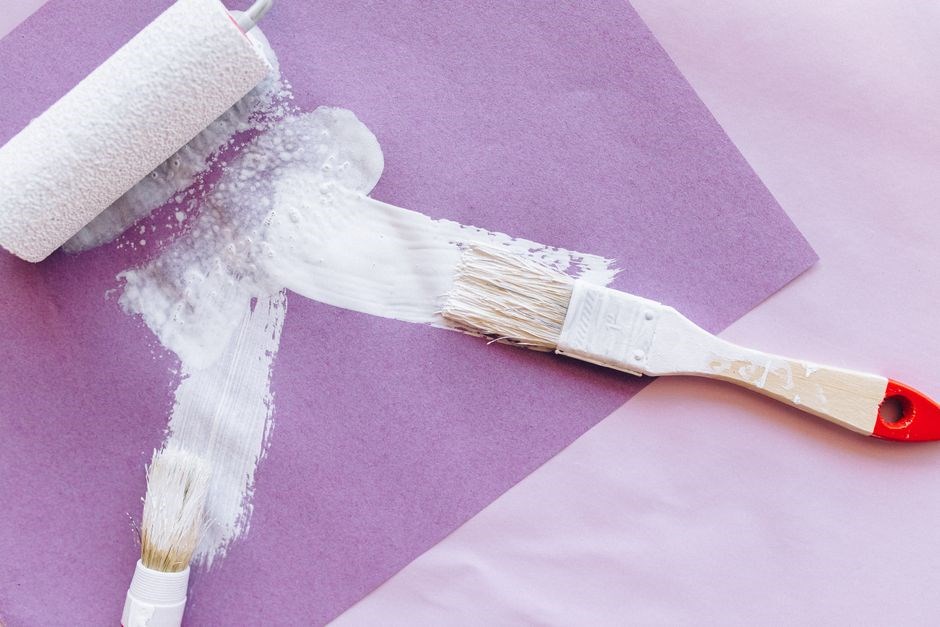
Use a high‑quality brush for corners, a 9‑inch roller for flat surfaces, and a paint sprayer for large areas․ Apply thin, even coats, overlapping 30% to avoid drips․ Allow primer to dry for 30 minutes before a second coat․ Follow safety guidelines․Apply a second coat after the first dries for coverage now
Brush, Roller, and Sprayer Methods
For optimal coverage, use a high‑quality synthetic brush for edges and trim, a 9‑inch foam roller for flat walls, and a paint sprayer for large, smooth surfaces․ Load the primer into a paint cup, shake or stir thoroughly to ensure pigment dispersion․ Dip the brush or roller 1‑2 inches, tap off excess, and apply in long, even strokes․ For rollers, use a “W” pattern, then fill in with overlapping strokes to avoid lap marks․ Sprayers should be set to a fine mist, holding the nozzle 12‑18 inches from the surface, moving steadily in a back‑and‑forth motion․ Allow each coat to dry for 30 minutes before applying a second coat․ Clean brushes and rollers with soap and water immediately after use to prevent drying of the primer in the tool․ Follow the manufacturer’s safety and handling instructions for each method․
Tip: When using a brush, apply a thin coat and feather the edges to avoid brush marks․ For rollers, pre‑wet the roller cover to reduce lint and use a roller frame to keep the roller flat․ Sprayers should be calibrated to a 1:1 ratio of primer to water if the product is water‑based; avoid over‑spraying to reduce overspray․ Always test a small area first to confirm adhesion and color shift․ For high‑humidity jobs, allow an extra 15 minutes between coats․ Keep the primer container sealed when not in use to prevent drying of the primer on the tool․ Use a clean, lint‑free rag to wipe any drips from the surface immediately․ Proper ventilation is essential when spraying to avoid inhalation of fumes; All steps ensure a durable finishGloves!!!
Application Conditions
Zinsser 123 Primer should be applied when ambient temperature is 50–90°F (10–32°C) and relative humidity is below 80%․ Avoid spraying in temperatures below 50°F or above 90°F․ Allow 30‑45 minutes drying time before topcoat․ Store in a cool, dry place․ Keep surface dry․ Dry․
For optimal adhesion and durability, Zinsser 123 Primer should be applied within a narrow temperature window․ The ideal ambient range is 50°F to 90°F (10°C to 32°C)․ Temperatures below 50°F can cause the primer to dry too slowly, leading to tackiness and potential surface defects․ Conversely, temperatures above 90°F accelerate solvent evaporation, which may result in uneven film formation and reduced coverage․ Relative humidity should remain under 80%․ High humidity delays drying time and can cause the primer to become cloudy or develop a film that is difficult to sand․ When humidity exceeds 80%, the primer’s performance is compromised, and the finish may exhibit a dull or uneven appearance․ It is advisable to monitor local weather conditions and use a hygrometer to ensure that the humidity level is within the recommended range․ If the ambient temperature is outside 50°F–90°F, consider using a dehumidifier or heating source to bring the environment into compliance․ Proper ventilation is also essential; stale air can trap moisture and reduce drying efficiency․ In extreme conditions, such as high altitude or very cold climates, additional precautions may be necessary․ For instance, at elevations above 3,000 feet, the lower atmospheric pressure can alter drying dynamics, requiring a longer cure time․ In cold environments, the primer may need a warming period before application to avoid condensation on the surface․ By strictly adhering to these temperature and humidity guidelines, users can ensure a smooth, even primer coat that provides a reliable base for subsequent layers, maximizing longevity and the finished project․!Apply as directed․ Follow guidelines․!!
Compatibility with Overcoat Paints
Zinsser 123 Primer is compatible with both oil‑based and water‑based overcoat paints․ It adheres well to latex, acrylic, and oil finishes, providing a stable base․ For best results, allow the primer to dry fully before applying the topcoat․ Avoid mixing incompatible systems․ It resists mildew and offers new finish!
Oil-Based vs Water-Based Paints
Zinsser 123 Primer serves as a reliable foundation for both oil‑based and water‑based top coats, making it a popular choice for mixed‑media projects․ When paired with oil‑based paints, the primer’s water‑based matrix creates a stable bond that resists peeling and blistering, while still allowing the oil finish to cure properly․ The primer’s low VOC content also helps reduce odor and drying time, which is especially beneficial in indoor environments․ For water‑based (latex or acrylic) paints, 123 Primer provides excellent adhesion and a smooth, even surface that minimizes the need for sanding between layers․ Its high‑tack formulation ensures that the top coat adheres firmly, preventing common issues such as flaking or uneven coverage․ In both cases, it is crucial to allow the primer to dry completely—typically 30 minutes to an hour—before applying the overcoat․ This drying period ensures that the primer’s surface is fully cured, which maximizes adhesion and prevents the overcoat from soaking into the primer․ Additionally, the primer’s resistance to mildew and mold makes it suitable for high‑humidity areas, such as bathrooms and kitchens, where both oil‑based and water‑based finishes are used․ By selecting the appropriate brush, roller, or sprayer, and following the manufacturer’s recommended temperature and humidity guidelines, users can achieve a durable, long‑lasting finish that meets the demands of modern interior and exterior painting projects; Low‑VOC formula means fewer fumes, a greener choice for eco projects․
Maintenance and Troubleshooting
To maintain Zinsser 123 Primer, keep surfaces clean, avoid dust, and reapply within 30‑60 days if peeling occurs․ If paint flakes, lightly sand and reapply primer․ For mildew, clean with mild detergent, rinse, and dry before repainting․ Store in cool, dry place․
Seal container to keep primer freshyes!
Common Issues and Remedies
Issue 1: Uneven coverage․ Remedy: mix thoroughly, use a high‑quality brush or roller, apply thin, even coats․ If porous, pre‑seal with a bonding primer․
Issue 2: Paint peeling or flaking․ Remedy: clean surface with mild detergent, rinse, dry, lightly sand old paint to roughen for adhesion․
Issue 3: Slow drying in high humidity․ Remedy: apply in well‑ventilated area, use a fan, keep temperature above 50°F․ Use a drying aid if needed․
Issue 4: Stubborn stains or odors․ Remedy: use a stain‑blocking additive like Zinsser B‑I‑N, or a primer with odor control․ Cure fully before top‑coating․
Issue 5: Primer bleeding through top coat․ Remedy: apply a second coat if first was thin or surface absorbent․ Verify full cure before proceeding․
Issue 6: Dust pickup․ Remedy: cover nearby surfaces, use a high‑efficiency filter in sprayer, clean nozzle after each use to prevent clogging․
Issue 7: Color mismatch after top coat․ Remedy: test a small area first, then use a primer matching final paint or a color‑matching top coat․
Issue 8: Primer cracking on flexible surfaces․ Remedy: use a flexible primer or add silicone additive to mix․
Issue 9: Primer not adhering to metal․ Remedy: remove rust, degrease, apply metal‑specific primer before Zinsser 123․ Ensure rust removed․?!
Issue 10: Primer residue on brushes․ Remedy: clean brushes immediately with warm water, rinse, dry, and re‑apply after drying․ Avoid letting primer dry on tools․
Issue 11: Primer flaking on high‑gloss; Remedy: use satin base coat before high‑gloss top coat․